Your Child Might Benefit From These Revision Notes.


Primary 4 − Area and Perimeter
Grab a copy of this guide where you will learn how to find unknown sides of rectangles and squares when the areas and perimeters are given.

8 Hardest P4 Math Problem Sums and How to Solve Them
Learn how to solve some of the hardest P4 Math Problem Sums and gain insights on what are the common error students made when attempting these challenging questions.
Primary 4 Maths Angles Worksheet
Get access to the comprehensive guide to Angles that comes with practice questions. Download a copy to help your child master the basics of Geometry.

Math Heuristics in Problem-Solving: A Parent’s Guide to P4 Math
These notes, together with examples, explain what heuristics are, why they matter, how they are taught in schools, and how you, as a parent, can support your child in applying them effectively.

15 Common Types of P4 Math Questions
Download this guide to help your child master the 15 common types of P4 Math questions that appear frequently in exams.
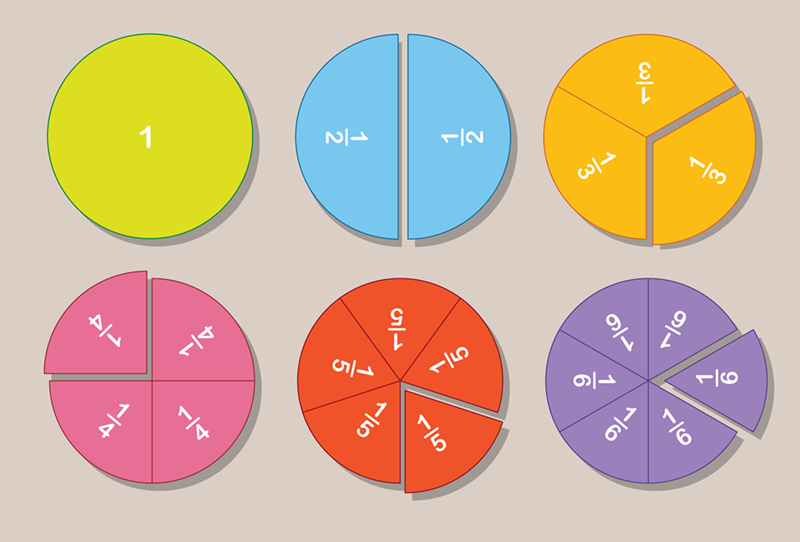
Your Complete Guide to P4 Fractions
This revision guide is designed to provide a quick yet thorough review of key fraction concepts for Primary 4 students.
Download this guide to help you strengthen your understanding about Fraction.
15 Common Types of P5 Math Questions
Download this guide to help you understand what are the types of Math questions your child needs to master in Primary 5 and master the 15 common types of P5 Math questions that appear frequently in exams.
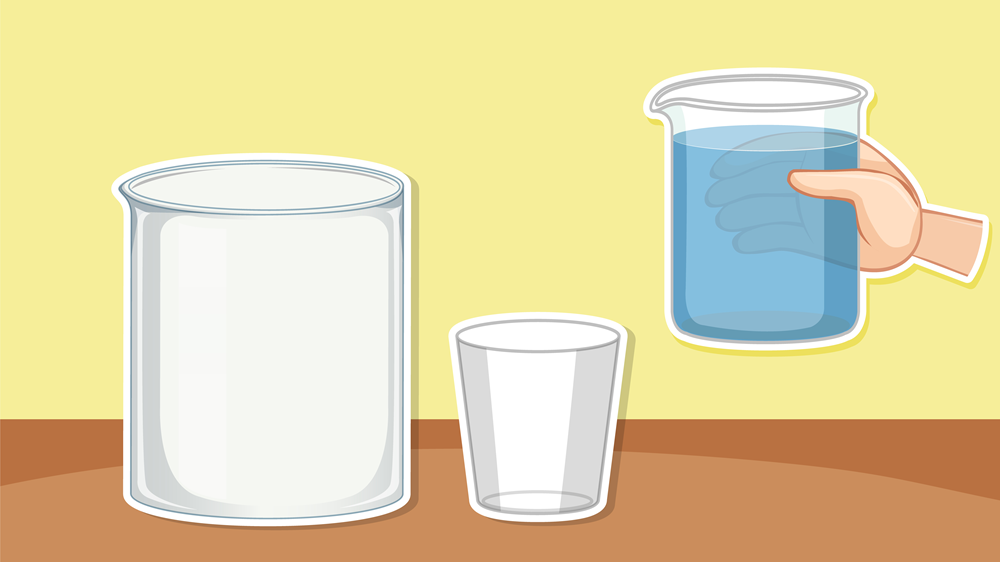
How to Find Volume of Liquid in a Container
Get a copy of this guide on Volume to learn the concepts that will be useful in tackling commonly asked questions in the PSLE.
There are also practice questions for your child to try.
Primary 4 Decimals Guide and Worksheet
In this guide, you will learn all the Decimals concepts for Primary 4 Math.
There are also practice questions for your child to try.
Your Primary 4 Complete Guide to Whole Numbers
Grab a copy of this guide to learn what whole numbers are, how they work, their applications in the real world, and how you can use them to compare, order, and round numbers easily.

Properties of Parallelograms
In this guide, we will explore the definition, properties, calculations, and applications of parallelograms.
Download a copy of this useful guide to help you be equipped with the knowledge and confidence to apply these concepts in a variety of contexts.
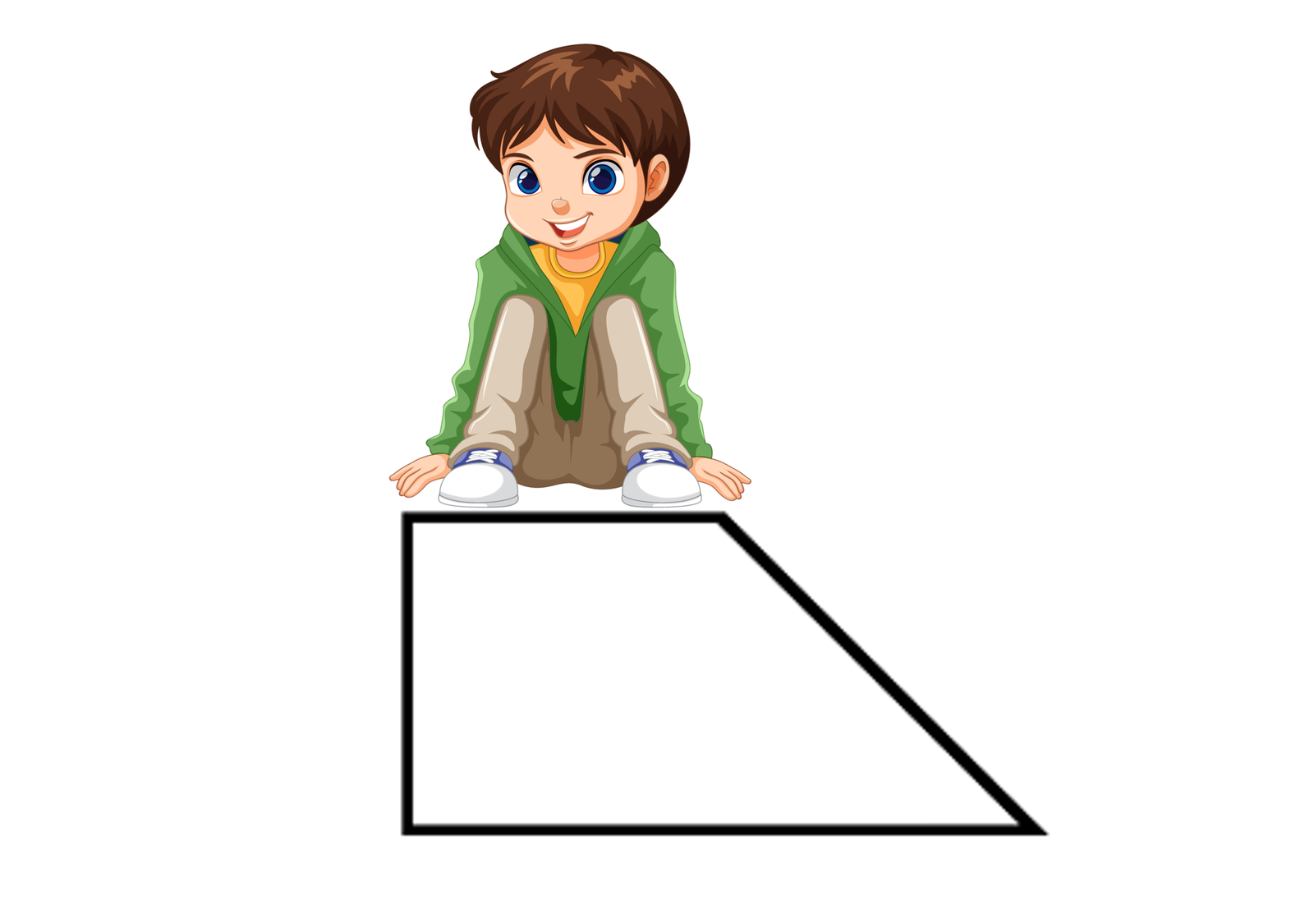
Area of Trapezium Formula
Trapeziums are among the many geometric shapes and knowing how to find the area of a trapezium is useful in many real-life situations
Grab a copy of this useful guide to help you solve practical problems and makes geometry more meaningful in everyday life.

Understanding Factors and Multiples: A Comprehensive Guide for Primary School Students
Download a copy of this useful guide to help you learn factors and multiples in detail. This guide comes with step-by-step explanations, examples, and fun activities.
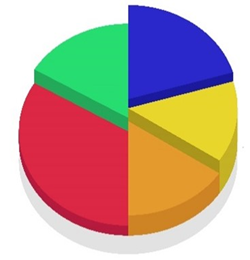
Pie Charts Basics: A Complete Guide for Primary School Students
In this guide, we will explore everything you need to know about pie charts.
Grab a copy of this complete guide to Pie Charts Basics to help you master both creating and interpreting them, making this skill useful for school projects and beyond.

PSLE Math Formula Sheet
Get a copy of the list of formulas that your child needs to know for PSLE Math.
Learn all the formulas and know how to apply them correctly.
10 Most Common PSLE Math Problem Sums
We have gathered a list of 10 most common PSLE Math problem sums and you can learn how to master them.
Download these revision notes to learn from the examples, spot the keywords, link to the right concept and apply the concept correctly!
16 Hardest PSLE Math Questions and How to Approach Them
Learn how to solve some challenging past PSLE Math Questions from our math revision notes.
With our step-by-step solutions as well as explanation videos, these will help your child gain better insights and skills to solve word problem sums.

Gap and Difference Questions
Download our comprehensive math revision notes focusing on common Gap and Difference questions.
These revision notes are specifically designed to tackle one of the trickiest heuristics encountered by students – finding the difference between quantities and individual items.
There is also an interactive quiz to test your child’s understanding.
Working Backwards Questions
Working Backwards is a critical heuristic that challenges your child’s capacity to envision and visualize scenarios before implementing changes.
It’s a common stumbling block for many students, but with our clear and concise revision notes, your child can master this technique with ease.
There is also an interactive quiz to test your child’s understanding.
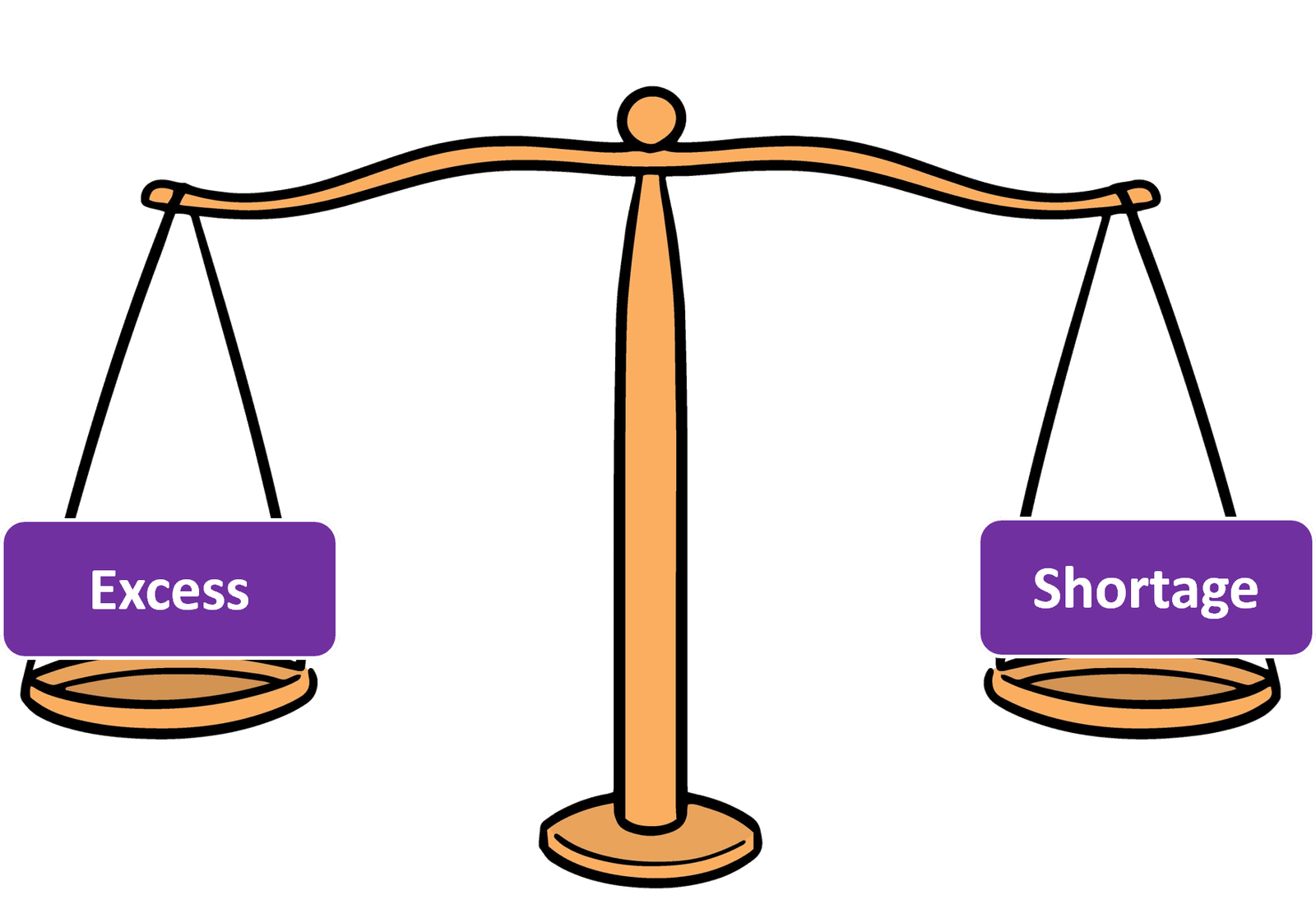
Excess and Shortage Questions
Excess and shortage questions are common in exams and often leave students feeling perplexed.
However, with our revision notes, we utilize models and diagrams to simplify these complex concepts, making them easily understandable for your child.
Our notes provide clear explanations and visual aids to guide them through each step of the problem-solving process, ensuring they feel confident and prepared.
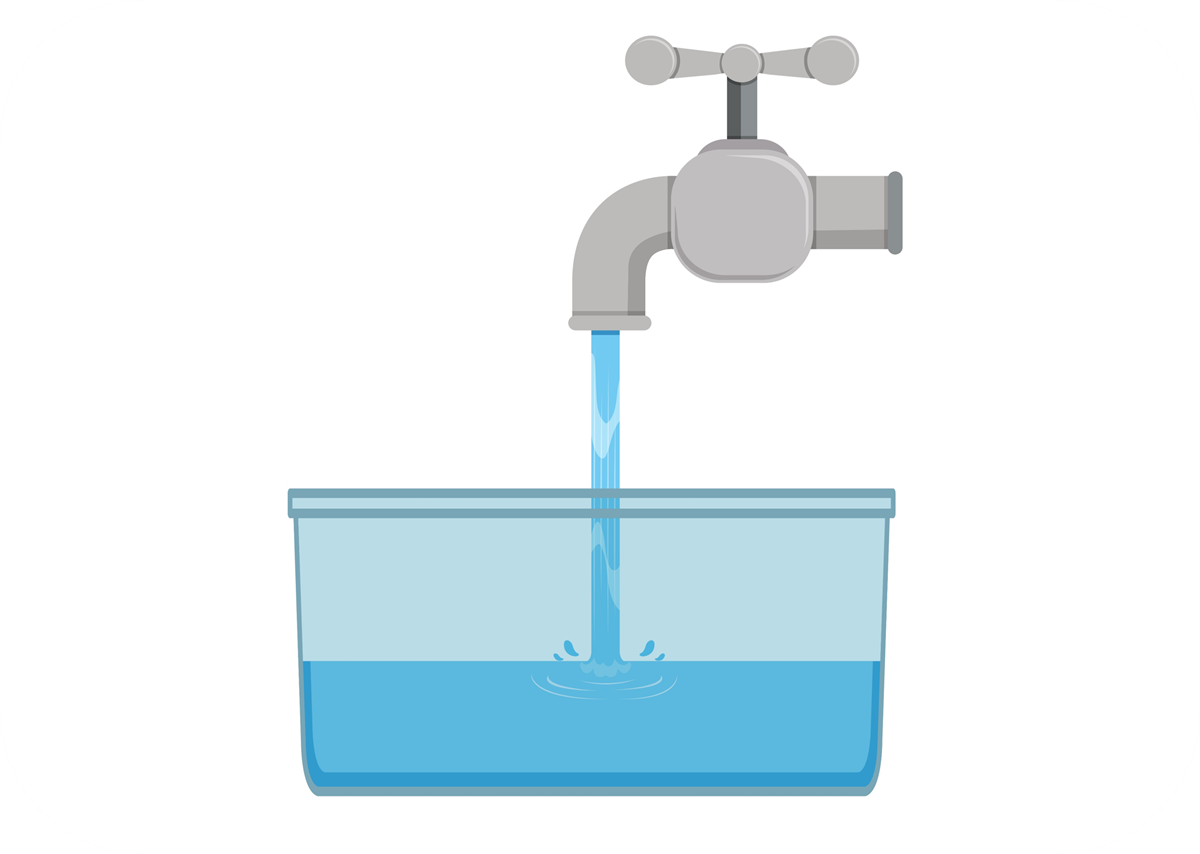
Rate of Water Flow Question (Involving Volume Dimensions)
Understanding the rate of water flow is crucial in various real-life situations, and our revision notes cover two common scenarios in depth when we are given the dimensions of 2 containers.
With our easy-to-follow explanations and step-by-step guidance, your child will gain confidence in tackling problems related to finding the rate of water flow.
Download our revision notes today and empower your child to master the calculation of water flow rates.
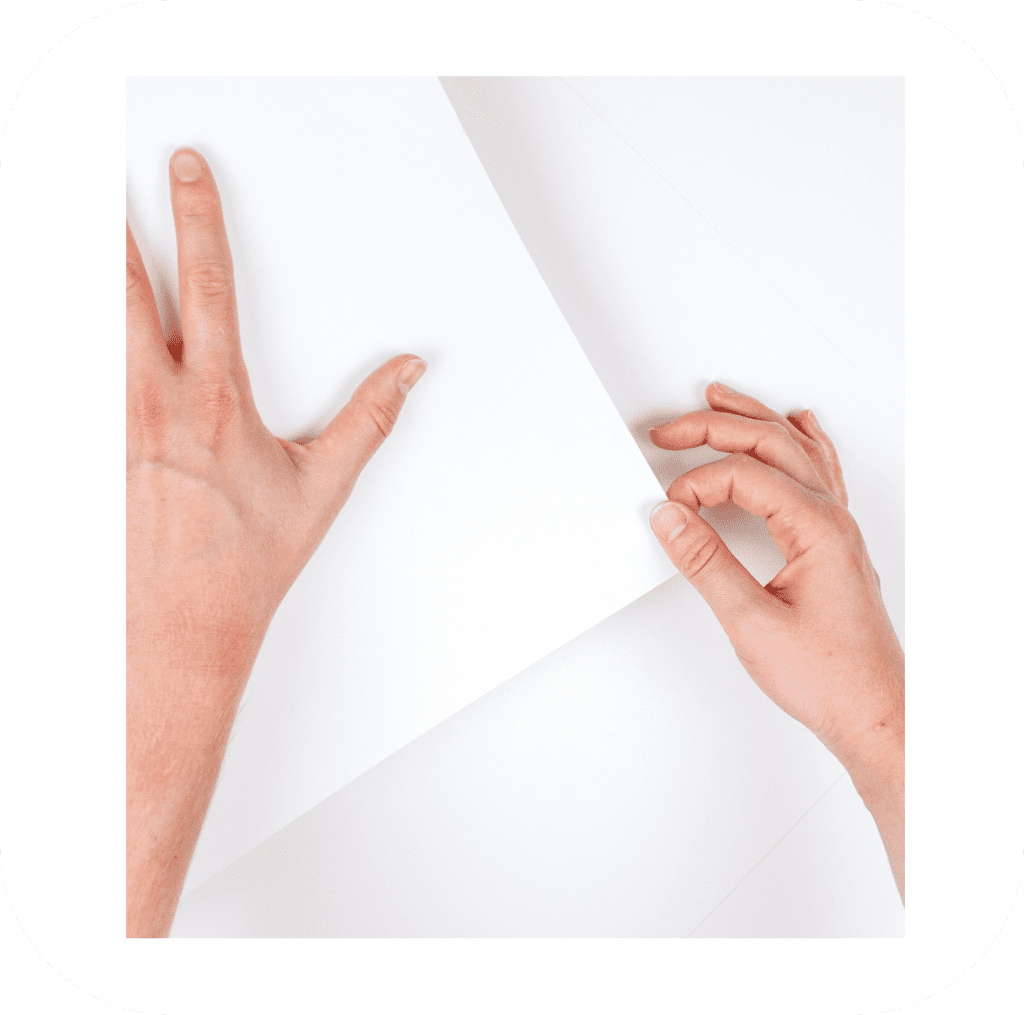
Folding Angle Questions
Folding angle questions often challenge students as they require a keen eye for symmetry and spatial reasoning.
Our revision notes delve into this topic in detail, providing clear explanations and practical strategies for identifying angles when a paper is folded.
By understanding the concept of symmetry and how it relates to folding, your child will gain the confidence to tackle these questions with ease. Our notes cover various scenarios and provide step-by-step guidance to ensure your child grasps the concept thoroughly.

Challenging Volume Questions (Involving a Common Height)
Volume questions with a common height are designed to test your child’s comprehension of three-dimensional shapes and their ability to calculate water depth based on given base dimensions.
These questions can be daunting, but with our comprehensive revision notes, your child will gain the confidence and skills needed to conquer them.
By mastering these concepts, your child will be well-prepared to tackle any volume questions that come their way in the Math examination.
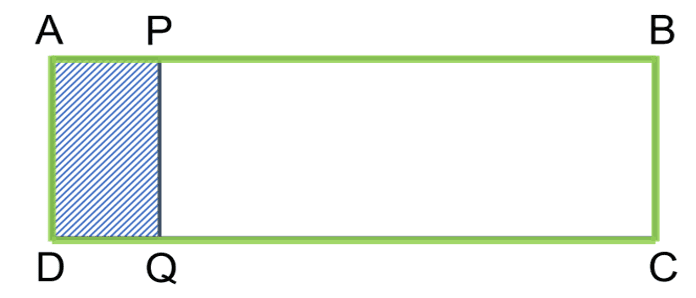
Challenging Area of Rectangle Question (Involving a Common Side)
In these revision notes, we will go through a challenging type of Area of Rectangle questions, which require your child to determine the length of a rectangle when two rectangles are joined together.
This type of question can be perplexing, but our revision notes break down the process into manageable steps, providing clear explanations and strategies for success.
By delving into our comprehensive notes, your child will learn effective techniques to solve these problems with confidence.
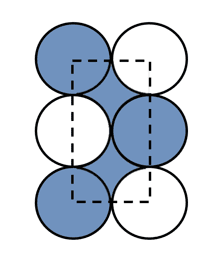
Tough Circle and Trapezium PSLE Math Questions
These revision notes dive deep into solving intricate circle and trapezium PSLE Math questions, helping your child understand how to find areas and perimeters of composite figures.
Through clear explanations and step-by-step examples, we guide your child through mastering skills like cut-and-paste techniques and finding unknown lengths.
There is an interactive quiz at the end to test your child’s understanding too.

PSLE Math Questions – Grouping and Model Drawing
These comprehensive revision notes delve into the art of grouping items into sets and utilizing model drawing to unravel even the most complex problems in PSLE Math papers.
With detailed solutions and an interactive quiz, your child will be well-prepared to excel in these 2 heuristics – Grouping and Model Drawing.
Download our revision notes today and equip your child with the tools they need to excel in these challenging PSLE Math questions.

Tough PSLE Fraction, Ratio and Percentage Questions
Fraction, Ratio, and Percentage questions often challenge students but these three chapters are not standalone topics;
Rather, they are closely linked, and understanding the relationship between them is key to solving complex problems.
Your child will learn how fractions, ratios, and percentages are interrelated.
They’ll discover how to spot patterns and connections between these concepts, empowering them to approach challenging questions with ease and accuracy.
Tough PSLE Math Volume Question
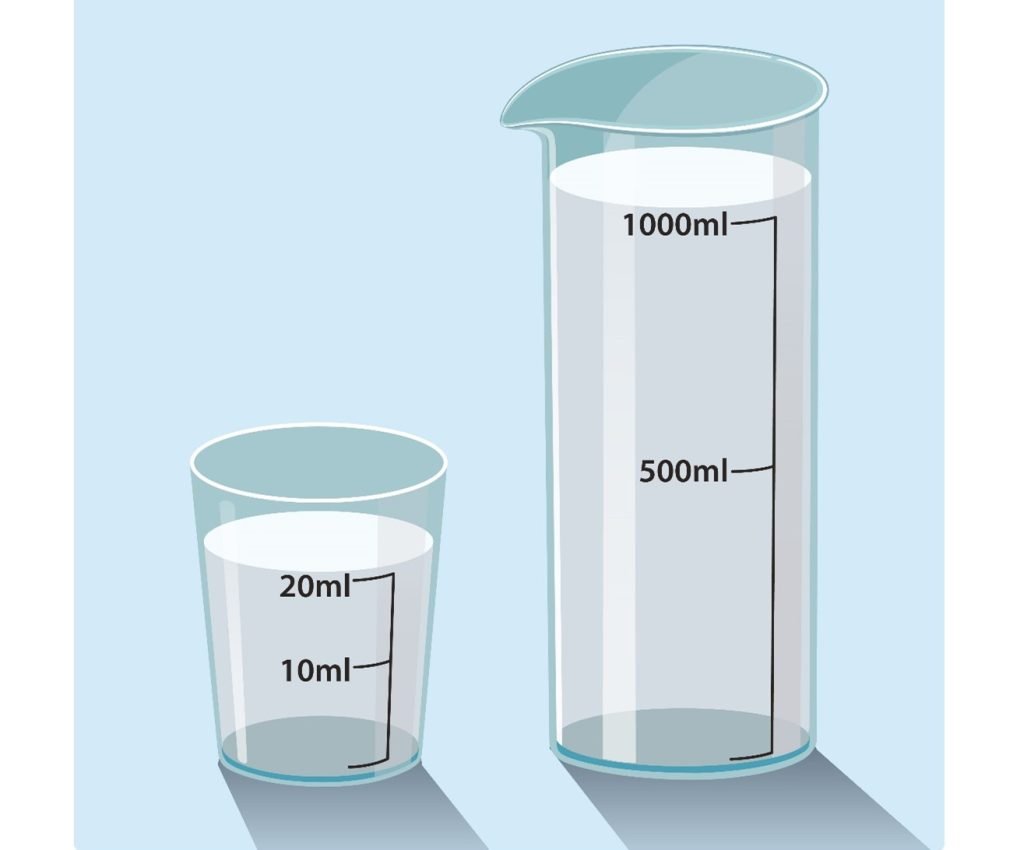
In this challenging problem, your child will be tasked with determining the water level in one container when the total volume of water in both containers is provided.
Our comprehensive revision notes provide clear explanations and step-by-step strategies to guide your child through this process.
Download our revision notes today and equip your child with the tools they need to confidently tackle volume-related problems involving multiple containers.

PSLE Math Applications Questions
Many math problems are embedded in real-life contexts. Students need to understand the relevance of mathematical concepts in their daily lives.
By mastering and utilize their understanding of these concepts, they will be able to solve math questions involving applications effectively.
Our revision notes will help increase your child’s ability to apply Math concepts to real-life scenarios.
How to Solve Average Math Questions
Learning to solve challenging Average questions can be done easier with the help of visualisation or diagrams. Empower your child to conquer challenging average questions with ease using our comprehensive math revision notes that provide explanation with the aid of diagrams.
With our step by step explanation and visual aids, these will help your child understands the steps to solve a more complex question easier.
How To Find Average and Using Average To Find Unknowns
Empower your child to excel in finding unknowns using the average concept with our math revision notes.
As we provide clear explanation with step by step workings as well as with the help of visual aids, your child will be able to digest the steps easier. Give your child the tools they need to solve a more complex Average questions.

Distance – Speed – Time Relationship
Our math notes provide clear and concise explanations of the relationship between distance, speed, and time, explaining the underlying principles and formulas that govern these variables.
Your child can gain a solid understanding of how the relationship between distance, speed, and time can help solve the math question much easier and quicker.
Don’t miss out on this opportunity to enhance your understanding of distance, speed, and time relationship.
Speed – Opposite Direction (Calculate Time to Meet)
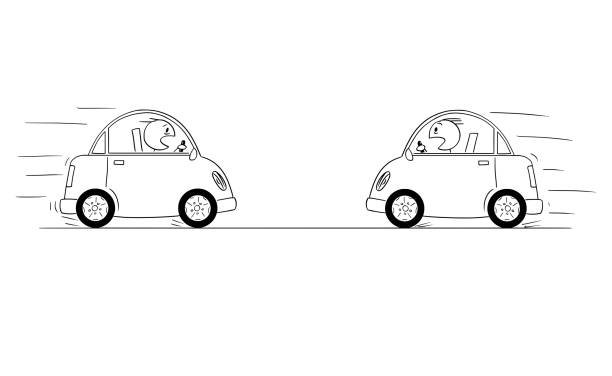
Our revision note offers a concise and effective approach to solving Math speed problem sums involving two parties traveling in opposite directions.
You will learn how to solve the question when only some of the information like speed, distances traveled, or time taken by each party is provided.
Speed – Catching Up
Understanding these fundamental concepts is crucial for effectively solving speed problem sums that involve one party catching up with another.
Download our revision notes to help your child become more proficient in tackling Speed problem sums involving catching up with another.
Volume Transfer
Equipped your child the ability to visualise liquid transfer and solve related Math problem sums in Volume.
With our math revision notes, your child will not only learn how to calculate the height of water levels after transferring from one container to another but also develop essential visualisation skills and problem-solving skills in liquid transfer problem sums.
Volume Spatial Visualisation Skill
One of the key features of our note is its ability to help your child visualize solid figures composed of cubes from specific viewpoints (top view, side view etc).
This visualization technique enhances their ability to mentally manipulate and analyze geometric shapes, fostering a deeper understanding of three-dimensional space.
Download our notes to learn more.

5 Tricky MCQs on Fractions
Here are 5 tricky MCQs which even top students tend to struggle with.
With our step-by-step guide and comprehensive approach, it will empower your child to tackle such problems with confidence and precision.
Each concept is explained in detailed solutions that walk students through the thought process behind each step.
Download our notes to learn more.

How to Solve Pattern Questions
Many students spend too much time on Pattern questions because they only know the listing method!
Our Pattern revision notes can help your child to excel in pattern recognition questions by introducing crucial shortcuts and strategies.
Download these revision notes for a step-by-step walkthrough on top schools’ exam questions.

5 Tricky MCQs on Area and Perimeter
One of the tips to solve questions on Area and Perimeter is to spot the visual clues in the questions.
Our math revision notes are crafted to sharpen your child’s ability to spot visual clues. By combining visual cue recognition with spatial visualization skills, these skills are essential to excel in solving Area and Perimeter questions.
With our detailed explanation, your child can foster a deeper understanding and develop an effective problem-solving skill.
Download the notes to empower your child to tackle these questions with ease and proficiency.

Understanding The Equal Fractions Concept
The equal fractions concept is another must-know concept for PSLE Math.
Using the common numerator method that can significantly enhance efficiency and save valuable time for students. This method is specifically designed to streamline the process of solving, allowing students to tackle questions more quickly and correctly.
By providing clear explanations in our revision notes, it equips students with the skills they need to excel in working with fractions efficiently and accurately.

How to Use the Math Branching Method
Model Drawing can sometimes be time-consuming and tedious for certain Fraction questions. Learn how to use the Branching method, which is another effective way to solve Fraction questions involving remainder.
These notes provide step-by-step guidance on how to apply the Branching method.
Your child will learn how to identify key components of the problem, create branches to represent different fractions, and accurately work out the correct answer.

Model Drawing for Math Problem Solving
Model Drawing is a highly effective method for solving Math questions. This method, particularly useful for solving math questions involving fractions and remainders, helps your child to visualise the relationships between “Part” and “Whole” with clarity.
Our revision notes offer step-by-step guidance on how to apply Model Drawing to solve Fraction questions.
By utilising Model Drawing, its structured approach not only aids in understanding and solving math problems but also builds a strong foundation for more advanced problems.
It is suitable for P5 and P6 students.